

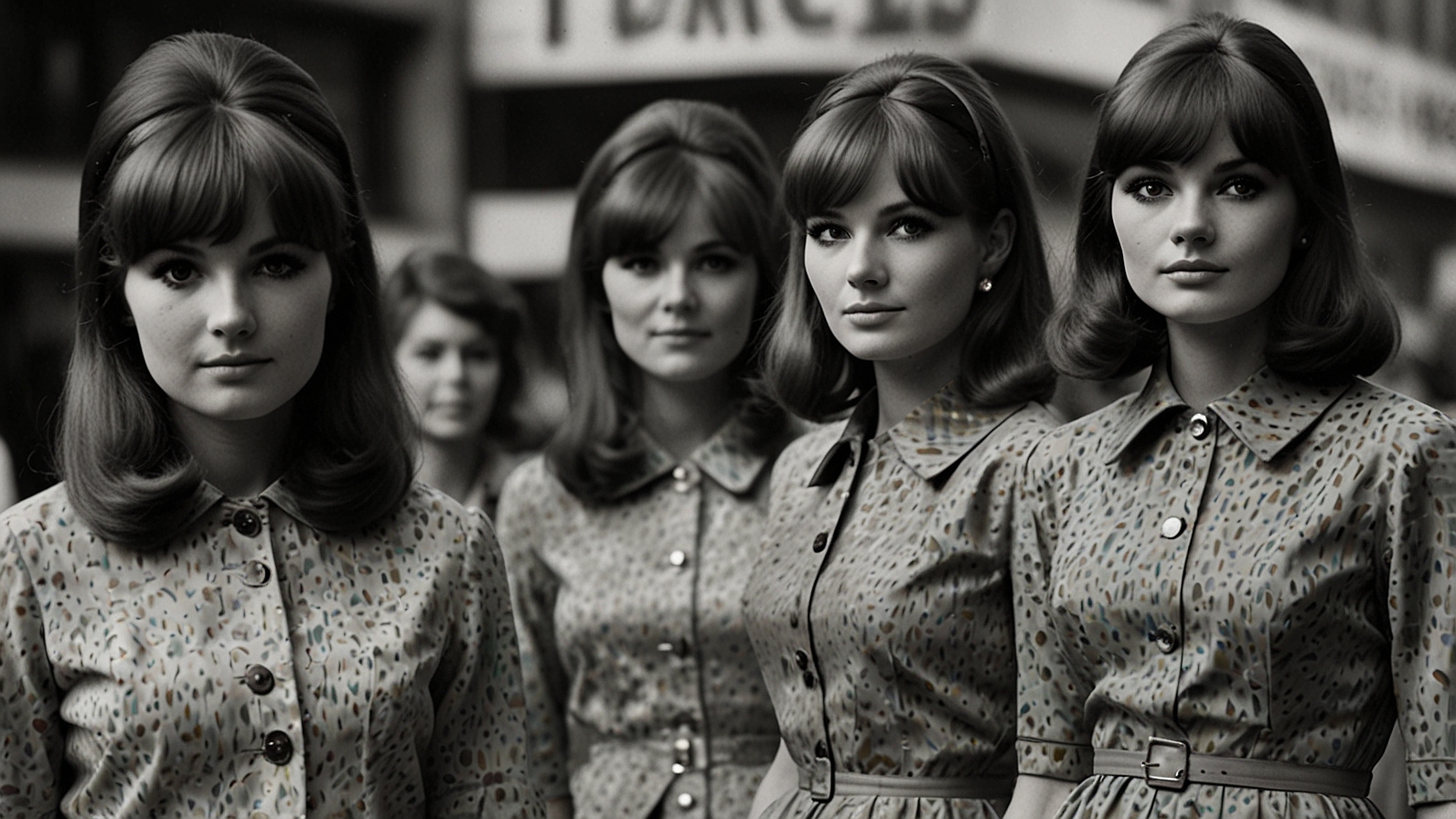
Ever caught yourself scrolling through Instagram and pausing at a crisp A-line mini dress, go-go boots, or a vibrant geometric print that feels effortlessly cool? You are not imagining it. These looks pull straight from the heart of 1960s trends fashion, a decade that exploded with youthful energy and still shapes what we wear today.
Whether you are a vintage collector hunting for originals or a Gen Z creator mixing retro with street style, the pull of the Sixties feels personal. It is not just nostalgia. The era’s bold innovations, from the youthquake movement to the Mod subculture, flipped fashion on its head and continue to inspire modern wardrobes.
In this guide, we explore the evolution of 1960s trends fashion, its deep ties to social change, and exactly how you can weave these timeless elements into your everyday style. Get ready for a stylish history lesson that will have you raiding your closet (or the nearest thrift store) with fresh excitement.
The Youthquake Movement: Birth of Modern Youth Culture in 1960s Trends Fashion
Picture London in the early 1960s. Post-war Britain was shaking off austerity, and young people suddenly held the power. British Vogue editor Diana Vreeland coined the term youthquake movement to describe this seismic shift. Teenagers and twenty-somethings became the tastemakers, demanding clothes that felt fun, affordable, and rebellious rather than stuffy and adult.
This was a massive break from the polished 1950s silhouette. Haute couture houses in Paris still ruled for the elite, but ready-to-wear exploded on the streets. Young designers opened boutiques aimed squarely at the under-25 crowd. The result? Fashion became democratic, fast, and full of personality.
You can see the same energy today in TikTok hauls and fast-fashion drops that echo that same youthful rebellion, just with a sustainability twist.
Early 1960s Elegance Evolves into Mod Rebellion
At the start of the decade, elegance still reigned. Think Jackie Kennedy’s tailored suits and pillbox hats. Yet underneath that polish, change brewed. Enter Mary Quant, the British designer who opened her Bazaar boutique on King’s Road in 1955 and ignited the Mod subculture.
Quant gave the world the miniskirt around 1964, a garment so short it shocked the establishment. (Yes, French designer Andre Courreges also claimed credit, but Quant made it a household name.) The history of the miniskirt in the 60s is really the story of liberation. It symbolized freedom of movement, sexual confidence, and a rejection of old rules about how much skin a woman could show.
Mod style brought clean lines, bold colors, and geometric patterns. Think shift dresses, Peter Pan collars, and flat Mary Janes. The look was sharp, graphic, and utterly modern. Models like Twiggy and Jean Shrimpton became the faces of this new era, with their wide eyes, geometric bobs, and impossibly long legs.
Swinging London: Carnaby Street and the Rise of Ready-to-Wear
By the mid-1960s, London was literally swinging. Swinging London turned Carnaby Street and King’s Road into global style capitals. Tourists flocked to snap photos of kids in mini dresses and tailored suits strutting past psychedelic shop fronts.
One name stands out: Biba. Barbara Hulanicki’s boutique started small but grew into a department-store phenomenon. Biba offered glamorous, affordable pieces with rich prints, Art Nouveau details, and a romantic edge. Suddenly, anyone could own a piece of high-impact style without breaking the bank.
This era also saw the birth of accessible fashion that feels familiar today. High-street brands now churn out 1960s trends fashion inspired collections at lightning speed, proving the model’s staying power.
Space Age Aesthetic: When Fashion Went Cosmic
While Mod ruled the streets, another look blasted off: the Space Age aesthetic. Designers like Andre Courreges, Pierre Cardin, and Paco Rabanne drew inspiration from the moon race and sci-fi. White vinyl boots, silver metallics, geometric cuts, and helmet-like hats created a futuristic vibe that still feels fresh.
Courreges’ 1964 collection featured white dresses with cut-outs, flat boots, and sleek lines. Rabanne took it further with chainmail dresses made from plastic discs and metal rings. These weren’t just clothes. They were wearable art that celebrated technology and the space age.
You see echoes of this today in shiny puffer jackets, metallic accessories, and clean minimalism on runways. The Space Age aesthetic taught us that fashion could look forward while staying wearable.
Men’s Fashion Takes a Bold Turn: The Peacock Revolution
1960s trends fashion was not just for women. Men experienced their own liberation through the Peacock Revolution. Goodbye, drab gray suits. Hello, colorful shirts, velvet jackets, ruffled collars, and bell-bottom trousers.
Designers encouraged men to embrace pattern, texture, and flair. Think Mick Jagger in a frilly shirt or the Beatles evolving from mop tops to psychedelic suits. Ties got wider, colors got brighter, and hair grew longer. It was a direct challenge to traditional masculinity, and it paved the way for today’s gender-fluid style conversations.
If you are a guy wondering how to dip into 1960s trends fashion for men, start simple. A slim turtleneck under a patterned blazer or a pair of wide-leg trousers instantly channels that peacock energy without feeling costume-y.
Late 1960s: Psychedelic Prints and Free-Spirited Bohemian Vibes
As the decade wound down, the mood shifted again. The Beatnik style of black turtlenecks and berets from the late 1950s blended into something wilder. Psychedelic prints exploded across dresses, shirts, and scarves. Bright swirls, florals, and op-art patterns reflected the counterculture and music scene.
Biba leaned even deeper into romantic, layered looks. The overall vibe turned bohemian, with flowing fabrics, fringe, and ethnic influences. Fashion became personal expression, a form of protest, and pure joy all at once.
This late-60s freedom directly inspired the hippie movement that spilled into the 1970s, but its roots remain firmly planted in 1960s trends fashion.
1960s Trends Fashion and Social Change: Fashion as Protest
The decade’s styles were never just about looking good. They mirrored huge societal shifts. The youthquake movement gave young people economic power and a voice. The miniskirt became a symbol of women’s liberation and the sexual revolution. Mod and Space Age looks rejected class hierarchies. The Peacock Revolution questioned rigid gender roles.
Fashion became a tool for change. Young people used their clothes to say: we are here, we are different, and we refuse to dress like our parents. That spirit of rebellion still fuels street style, activism fashion, and DIY culture today.
Why These Trends Still Captivate Us Today
Fast-forward to 2026, and 1960s trends fashion refuses to fade. Recent runways from Loewe, Burberry, and the revived Courreges brand show mini skirts, mod tailoring, and metallic accents dominating collections. Gen Z and Millennials love the mix of nostalgia and modernity. Thrifted vintage pieces feel sustainable. Bold prints and clean silhouettes offer an antidote to fast-fashion overload.
The evolution of 1960s trends fashion shows how one decade’s rebellion became everyone’s everyday inspiration. It proves that great style is about attitude, not just trends.
How to Wear 1960s Trends Fashion Today: Practical Styling Tips and DIY Ideas
Ready to try it yourself? Here is how to make 1960s trends fashion work in 2026 without looking like you stepped out of a time machine.
Start with the Mod subculture classic: a mini skirt or A-line dress. Pair it with an oversized modern blazer and chunky loafers for instant polish. Add opaque tights and Mary Janes for a true Mod feel that still feels current.
Love the Space Age aesthetic? Grab a silver metallic top or vinyl jacket and team it with crisp white trousers and sneakers. It looks futuristic yet totally wearable for brunch or a night out.
For psychedelic prints, choose one hero piece like a bold blouse or scarf. Ground it with denim or neutral trousers so the print does the talking.
Men can channel the Peacock Revolution with a colorful patterned shirt tucked into slim chinos or wide-leg trousers. Finish with a slim turtleneck underneath for that Beatnik edge.
DIY 1960s trends fashion styles are easier than you think. Thrift a simple shift dress and hem it a few inches shorter. Add iron-on patches or colorful buttons to a plain jacket for psychedelic flair. Upcycle old jeans with embroidered flowers or fringe for that late-60s boho touch.
Pro tip: mix one vintage-inspired piece with contemporary basics. This keeps the look fresh and personal. Check out our guide on thrifting vintage fashion sustainably for more ideas.
Bringing It All Together: Your Timeless 1960s Wardrobe
The beauty of 1960s trends fashion lies in its versatility. Whether you lean Mod, Space Age, or psychedelic, the pieces mix and match beautifully. Focus on quality basics like a good mini dress, a crisp white shirt, or a bold print top. These items will last years and spark endless outfit ideas.
You do not need a full wardrobe overhaul. Start small. Add one iconic piece this month and watch how it elevates everything else in your closet.
The Sixties taught us that fashion could be fun, freeing, and forward-thinking. That lesson still rings true. So go ahead, channel your inner Twiggy or Mary Quant. Your modern wardrobe will thank you.